






Filter By Brand
Commercial Dishwashers | Australia | Industrial Dishwashers
In a high-volume commercial kitchen, warewashing is not a back-of-house afterthought. It is a production line. When dirty dishes back up during service, cleanliness suffers, productivity drops, and the pressure spreads fast.
The wrong machine can create bottlenecks during peak hours, drive up water and chemical costs, and put unnecessary physical demand on your team. The right commercial dishwasher or industrial utensil washer keeps your operation moving efficiently, hygienically, and with far less labour than manual washing requires.
Skanos supplies commercial warewashing equipment for Australian businesses in hospitality, aged care, healthcare catering, food manufacturing, and quick service operations. We work closely with customers to make sure the machine they choose suits their volume, their workflow, and their kitchen before they commit to a purchase.
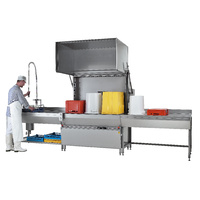
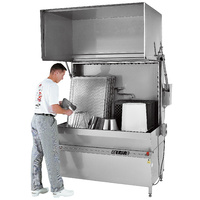
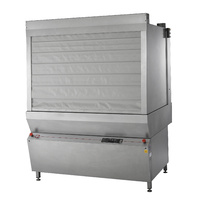
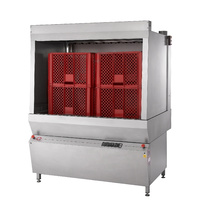
Explore Our Commercial Warewashing Range
Not every warewashing machine is built for the same environment. Getting the right machine for your operation depends on understanding those differences clearly before you buy. Skanos supplies commercial dishwashers and industrial utensil washers for businesses that need reliable cleaning results, lower running costs, and equipment that can keep up with daily demand.
Pass-Through Dishwashers
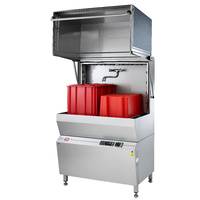
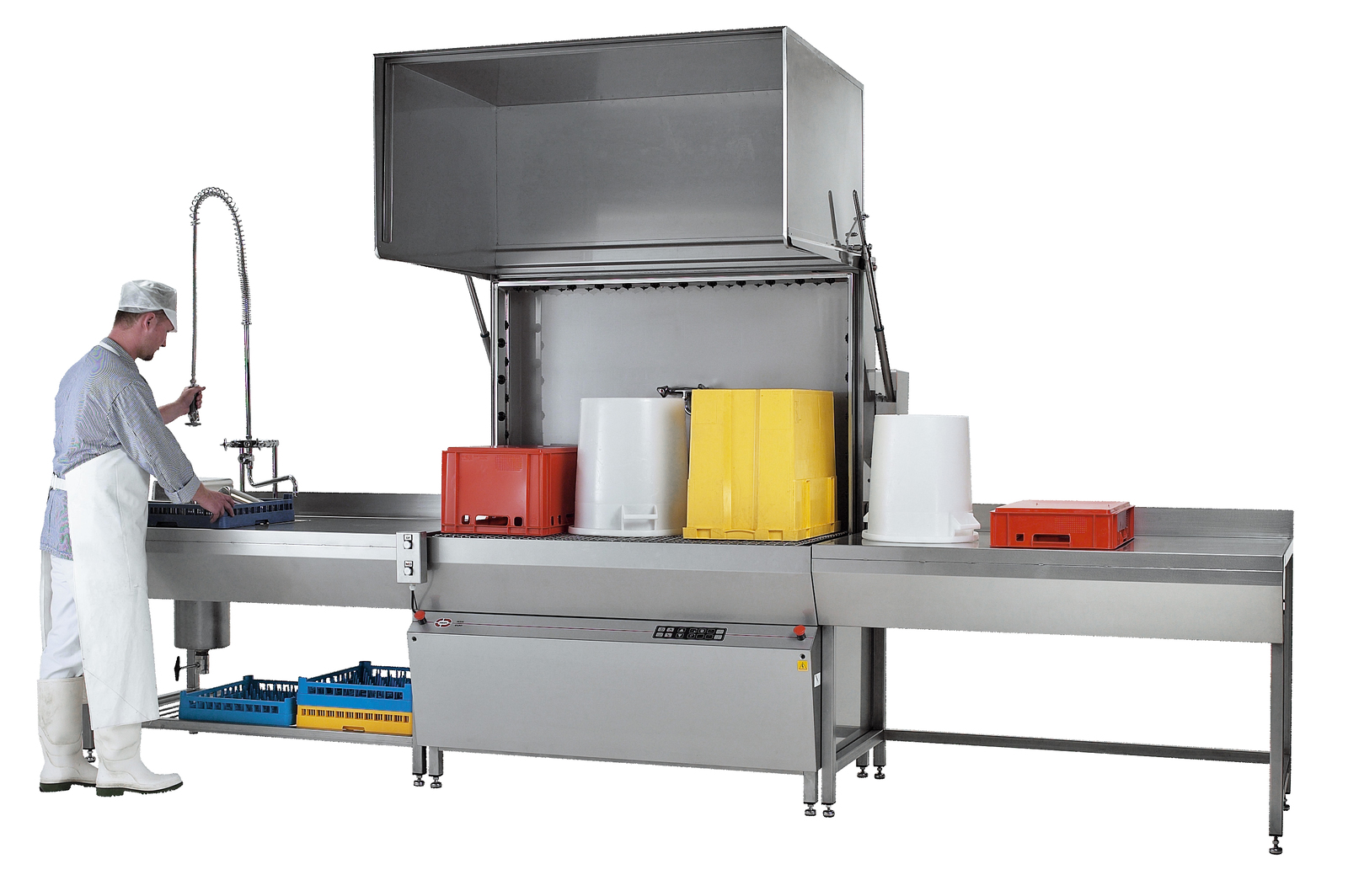
Pass-through dishwashers suit commercial kitchens with moderate to high dish volumes that need a faster, more efficient alternative to under-counter machines. Racks load from one side and exit the other, keeping the workflow moving in one direction, reducing congestion at the wash station. A practical choice for restaurants, hotels, and catering operations where speed and kitchen organisation both matter.
Conveyor Tunnel Dishwashers
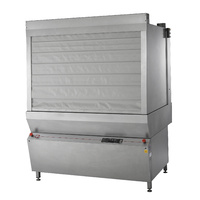
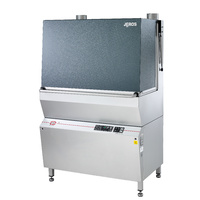
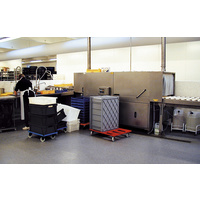
Conveyor tunnel dishwashers are built for operations that cannot afford to pause warewashing during service. Dishes, trays, glasses, and utensils move through the machine on a conveyor belt, with wash, rinse, and dry zones working simultaneously. These machines are suited to large hospitality venues, central production kitchens, hospitals, and healthcare catering facilities that need reliable throughput across long service periods.
Utensil Washers
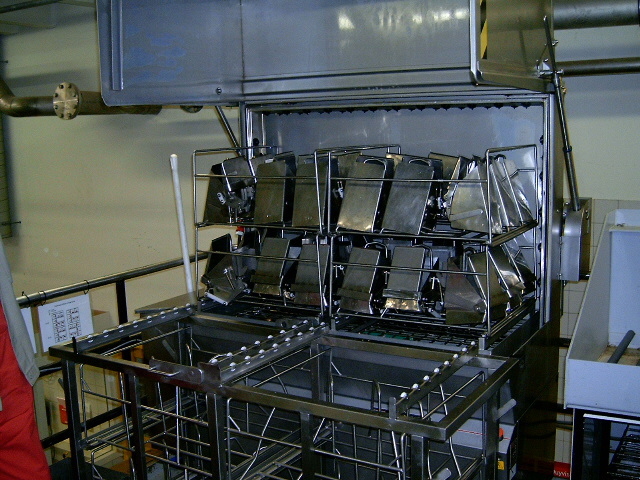
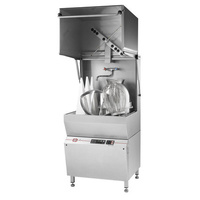
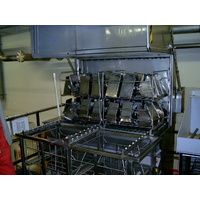
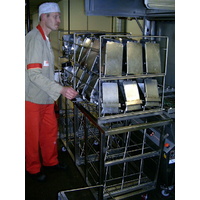
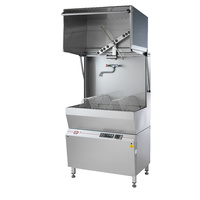
Designed for the full range of kitchen utensils, from spatulas and ladles to gastronorm pans and kitchen tools. Utensil washers handle the items that fall between a standard dishwasher rack and the heavier loads suited to pot or crate washers. A useful addition to any high-volume kitchen looking to improve cleaning efficiency across the full range of items in use.
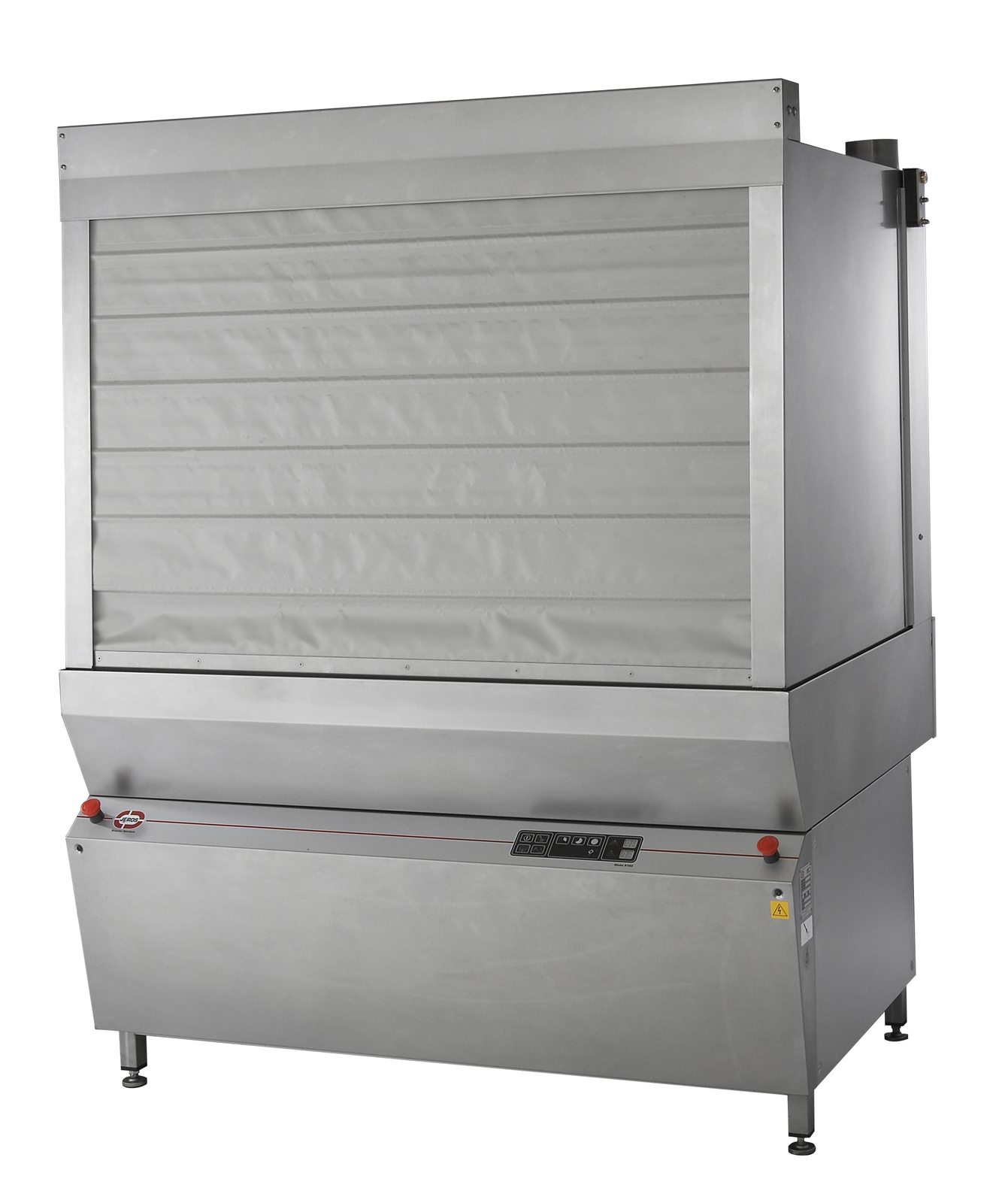
Pot and Pan Washers
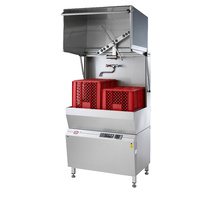
Pot and pan washers are built for the heavy end of commercial kitchen cleaning. Large pots, deep pans, mixing bowls, and baking trays require more water pressure, more robust loading configurations, and longer cycle times than standard dishwashers provide. These machines are designed specifically for that demand, removing the need for manual pre-scrubbing and heavy lifting that pot washing typically places on kitchen staff, while delivering consistent results every cycle.

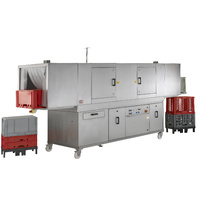
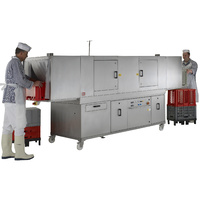
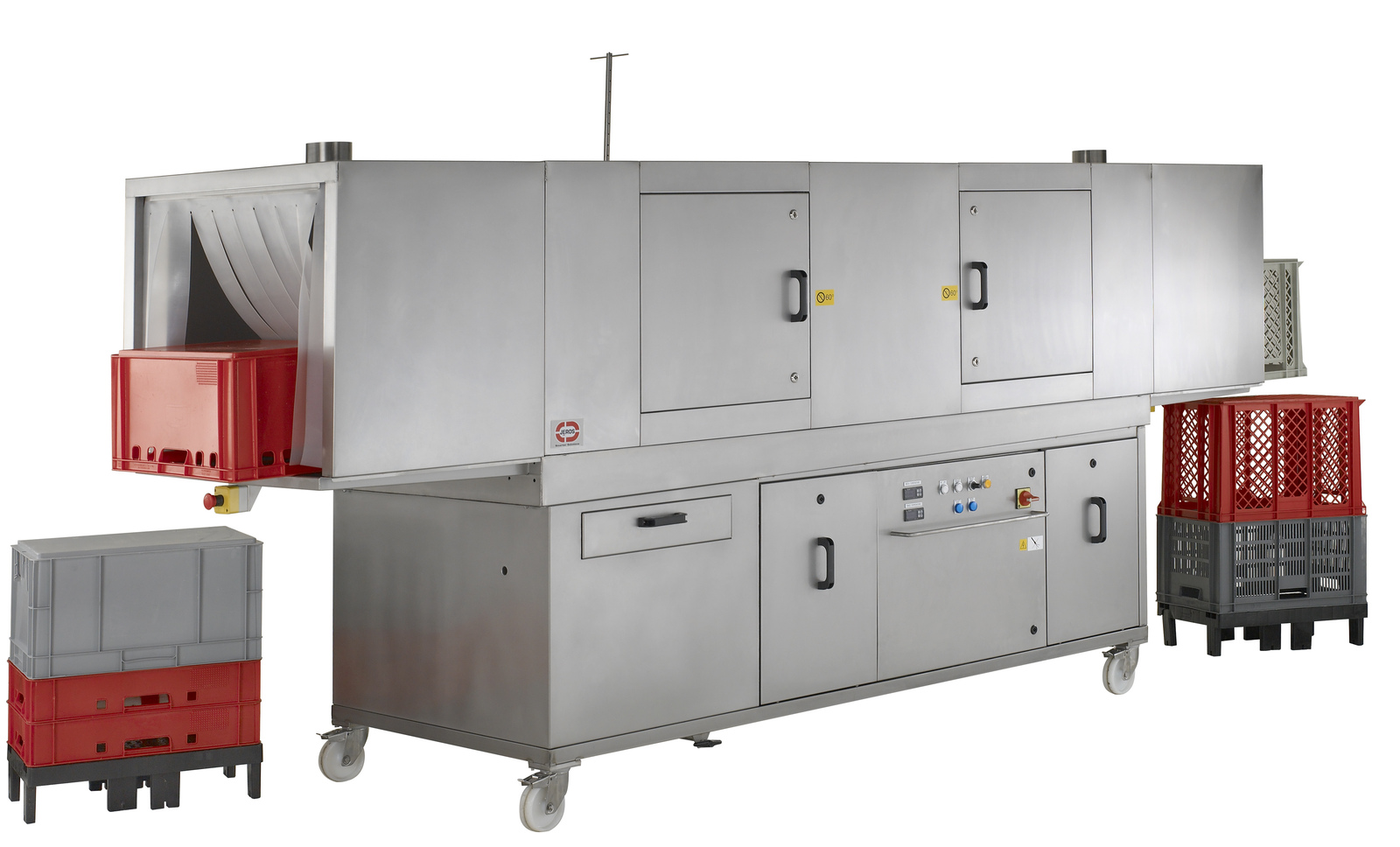
Tray and Crate Washers
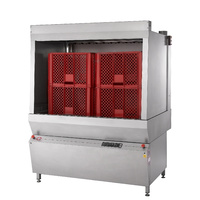
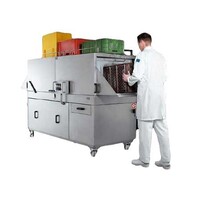
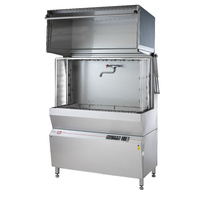
PotFor food production, bakery, and processing environments where large trays, crates, and containers are part of daily operations, tray and crate washers provide the throughput and cleaning performance that standard machines cannot match. Purpose-built for easy loading of heavy and bulky items, they support hygiene standards across food manufacturing and processing workflows without adding unnecessary manual handling.

Jeros: Built to Wash More, Use Less, and Last Longer
Jeros industrial warewashing machines are engineered around a straightforward principle - maximum cleaning performance with minimum resource consumption. Each wash cycle is designed to deliver a thorough, hygienic result while using significantly less water, detergent, and energy than conventional machines.
In busy kitchens and food production facilities, the difference in running costs between an efficient machine and an average one adds up quickly. Over the course of a year of daily operation, that difference will show up clearly in your utility bills.
- Hygienic Results at Every Cycle - Consistent wash and rinse temperatures meet commercial hygiene standards across every load, whether you are cleaning delicate glassware or heavy production crates. Reliable, repeatable results that your team can depend on through every service.
- Reduced Water and Chemical Consumption - Jeros machines are engineered to minimise water usage per cycle without affecting cleaning quality. Lower consumption per wash means lower operating costs and a reduced environmental footprint across the life of the machine.
- Speed That Keeps Up with Peak Service - Fast cycle times mean clean dishes, glasses, and utensils are back in circulation before your team runs short. Even during the busiest periods, the right machine keeps output steady and service uninterrupted.
- Designed to Reduce Labour Costs - Automated wash cycles and ergonomic loading reduce the physical demand on your team and free staff to focus on tasks that require their attention. In food production environments, automated crate and drum washers remove the manual handling involved in cleaning bulky items entirely.
Why Australian Businesses Choose Skanos
Choosing Commercial Warewashing Equipment for Your Kitchen
If you are comparing commercial dishwashers or industrial utensil washers, it helps to look beyond the product category and consider the operation as a whole.
Consider Volume and Throughput
How many dishes, glasses, trays, or crates move through your operation per hour at peak? This is the most important figure when sizing a machine. A machine that cannot match your peak throughput will slow service, frustrate staff, and wear out faster than one correctly sized for the load.
Consider the Items Being Washed
Plates, glassware, pots, bakery trays, and production crates each suit different machine types. Mixing them in the wrong unit risks poor results, increased breakage, or inefficient cycles. Matching the machine to the items it will clean is a basic specification step that is easy to overlook.
Consider Space and Installation Requirements
Upright, and conveyor machines have significantly different footprints and installation needs. Confirm your available space, including clearance for loading and unloading, and check that your plumbing can support the machine's water pressure and drainage requirements before committing.
Consider Energy and Water Efficiency
Energy and water are ongoing operating costs. Efficient equipment can support meaningfully lower running costs and a more sustainable operation over time. When comparing models, look at consumption figures per rack or per hour rather than comparing purchase price alone.
Consider Cleaning and Maintenance
Regular maintenance is essential for performance, hygiene, and machine longevity. Equipment that is straightforward to clean and maintain is more likely to be properly looked after. Filters, door seals, and wash arms all need regular attention in a commercial environment. Good machine design makes that easier.
Consider Future Growth
The right machine for today should still suit the business as it grows. That is especially relevant for food manufacturing operations, multi-site hospitality groups, and facilities planning to expand production capacity.
FAQs
What is the difference between a commercial dishwasher and a catering dishwasher?
The terms are often used interchangeably. In practice, commercial dishwashers cover the full range of machines used in professional foodservice environments, from compact under-counter units to large conveyor systems. Catering dishwashers sometimes refer to equipment used specifically for event or contract catering, but the machines themselves are drawn from the same range. What matters more than the label is whether the capacity, cycle speed, and configuration match your volume and workflow.
How do I know what size commercial dishwasher I need?
Start with your peak-hour throughput. Count the number of covers or the volume of items that need to move through the machine during your busiest period and work backwards from there. A specialist supplier can help you translate that figure into the right machine type and capacity. Sizing too small creates operational problems. Sizing too large wastes energy and space. Getting it right from the start avoids both.
How often do commercial dishwasher filters need cleaning?
In a commercial kitchen, filters should be cleaned at the end of every service at minimum. In high-volume operations, checking and clearing filters during service is good practice. Blocked filters are one of the most common causes of poor wash results, increased water and detergent use, and shortened machine life. Regular maintenance is not an optional extra. It is the baseline for a machine to perform as specified.
What detergent should I use in a commercial dishwasher?
Commercial dishwashers require purpose-formulated commercial detergents, not domestic products. The right choice depends on your water hardness, the type of soiling your machine handles, and the dosing system your machine uses. Using the wrong detergent, or the wrong concentration, affects wash results and can damage components over time. Your equipment supplier or chemical provider can recommend the appropriate product for your specific machine and water conditions.
Can a standard commercial dishwasher handle heavy pots and pans?
Standard commercial dishwashers are designed for plates, glasses, cutlery, and similar items. Heavy cookware, large pots, baking trays, and production crates are generally better suited to pot and pan washers or industrial utensil washers, which are built for heavier loads and offer more flexible loading configurations. Using the wrong machine for the job tends to produce poor results and accelerates wear on the equipment.
What is the difference between a tray washer and a crate washer?
Tray washers are designed for flat, relatively lightweight items such as baking trays, hotel pans, and serving trays. Crate washers are built for deeper, heavier containers, including produce crates, plastic storage bins, and processing containers. Some machines handle both, but the key differences lie in the loading mechanism, water pressure, and cycle configuration. If your operation uses both, it is worth discussing your full range of items with a specialist before specifying a machine.
Does Skanos offer on-site demonstrations before purchase?
SomeYes. On-site demonstrations and equipment trials are a core part of the way Skanos works. We believe that seeing equipment perform in your kitchen, under conditions close to your own, leads to better purchasing decisions. Our team will visit your operation, assess the workflow and setup, and demonstrate the relevant machine. Contact us to arrange a consultation.
Contact us to book a demonstration
Ready to Find the Right Machine?
The right warewashing equipment should make your kitchen more efficient, more hygienic, and easier to run. It should support your team, protect your operating margins, and hold up to the demands of commercial use day after day.
Skanos supplies commercial dishwashers and industrial utensil washers for Australian businesses that need practical guidance alongside the right equipment. Speak with our team, arrange a demonstration, and choose with confidence, backed by more than 25 years of foodservice experience.